sahin@gmail.com +91 1234567890

Welcome to Medic

We are the most popular hospital in our country. Our first preferance our patients.

Get Started

Why Choose Medic

health, which is a state of complete physical, mental and social well-being, and not merely the absence of disease or infirmity, is a fundamental human right and that the attainment of the highest possible level of health is a most important world-wide social goal whose realization requires the action of many other social and economic sectors in addition to the health sector.
No 1 in West Bengal

We got certified by our chef minister that we are the best medical service provider.

Covid Situations

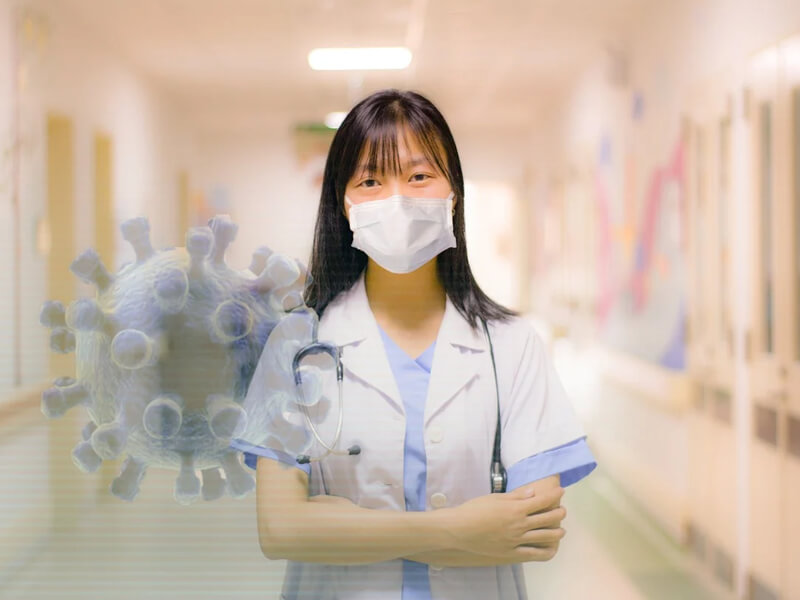
We got certified by our chef minister that our all staffs are provides their patients a great service in covid pandamic.

No 9 in India

we got certified by our prime minister about our ranking in india.

Hospitals are very important for us as they offer extensive treatment to all. Moreover, they are equipped with medical equipment which helps in the diagnosis and treatment of many types of diseases. Further, one of the most important functions of hospitals is that they offer multiple healthcare professionals. It is filled with a host of doctors, nurses and interns. When a patient goes to a hospital, many doctors do a routine check-up to ensure maximum care. Similarly, when there are multiple doctors in one place, you can take as many opinions as you want. Further, you will never be left unattended with the availability of such professionals. It also offers everything under one roof. For instance, in the absence of hospitals, we would have to go to different places to look for specialist doctors in their respective clinics. This would have just increased the hassle and waste energy and time. But, hospitals narrow down this search to a great level. Hospitals are also a great source of employment for a large section of society. Apart from the hospital staff, there are maintenance crew, equipment handlers and more. In addition, they also provide cheaper healthcare as they offer treatment options for patients from underprivileged communities. We also use them to raise awareness regarding different prevention and vaccination drives. Finally, they also offer specialized treatment for a particular illness. Generally, there are two types of hospitals, private hospitals and government hospitals. An individual or group of physicians or organization run private hospitals. On the other hand, the government runs the government hospital. There are also semi-government hospitals that a private and organization and government-run together. Further, there are general hospitals that deal with different kinds of healthcare but with a limited capacity. General hospitals treat patients from any type of disease belonging to any sex or age. Alternatively, there are specialized hospitals that limit their services to a particular health condition like oncology, maternity and more. The main aim of hospitals is to offer maximum health services and ensure care and cure. Further, there are other hospitals also which serve as training centres for the upcoming physicians and offer training to professionals. Many hospitals also conduct research works for people. The essential services which are available in a hospital include emergency and casualty services, OPD services, IPD services, and operation theatre.

Doctors

Departments

Research Labs

Awards

Services

Medical Services

Medical services are the sheet anchor of most general hospitals. They are so closely related to all other departments that sharp lines cannot be drawn to delineate specific responsibilities.

Surgical Services

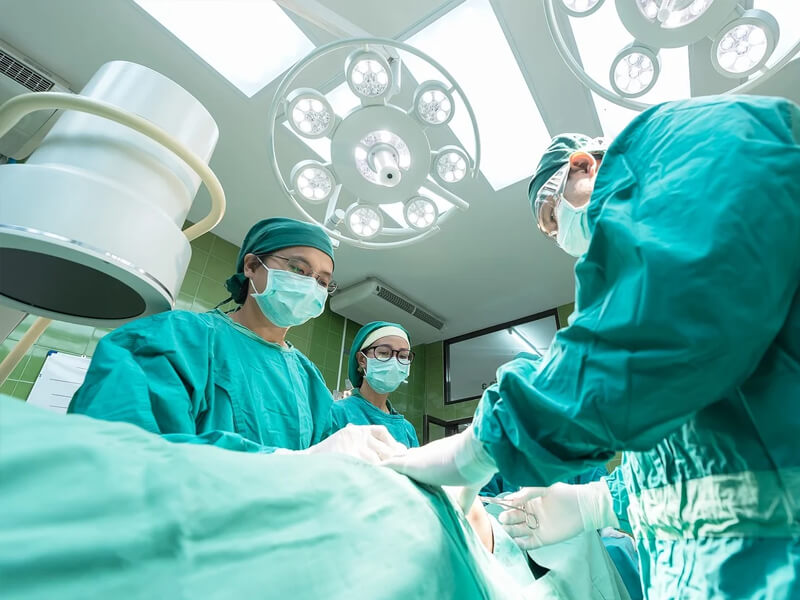
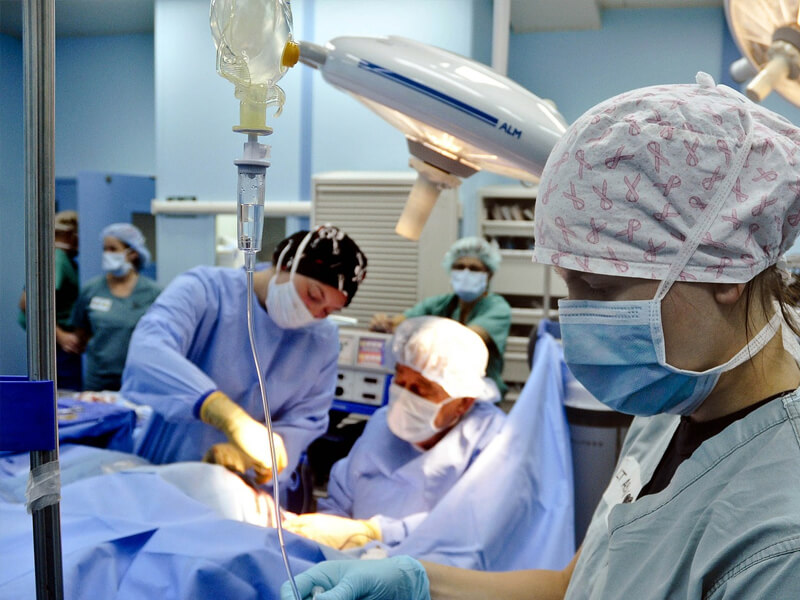
Surgical services are the most spectacularly visible function of the hospital. In a general hospital, all branches of the surgical services diagnostic, therapeutic and operation theatres are combined as one department.

Obstetrical Services

Obstetrical services are also organised like other department with policies and procedures peculiar to its requirement. Qualified staff should be available even off-time with availability of consultants for complicated cases.

Anesthesiology Services

Anesthesiology service is the least visible service in a hospital, but as important as others. Apart from the high professional knowledge and skill of the anesthesiologists, the service should conform to all the standing policies and procedures.

Laboratory Services

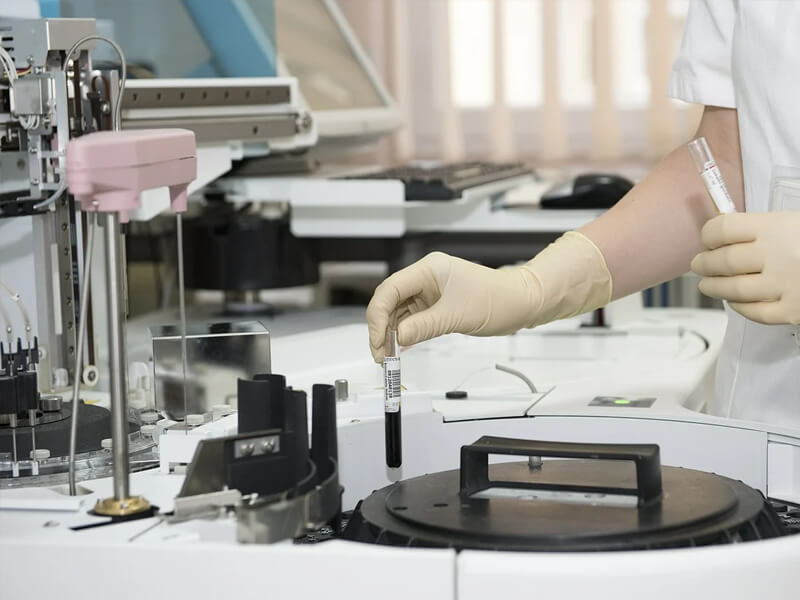
Services appropriate to the need of the hospital should be available, conducted and supervised by competent technicians and pathologists respectively, with appropriate system of maintenance of records of tests and standing orders and procedures. The calibration of equipment should be carried out regularly

Paediatric Services

Except in large hospitals, this service will generally be a part of medical service. However, in whatever way it is organised, the basic requirement is that it is geared for special attention to the peculiar needs of children and infants.

Make an Appointment

Departments

Cardiology

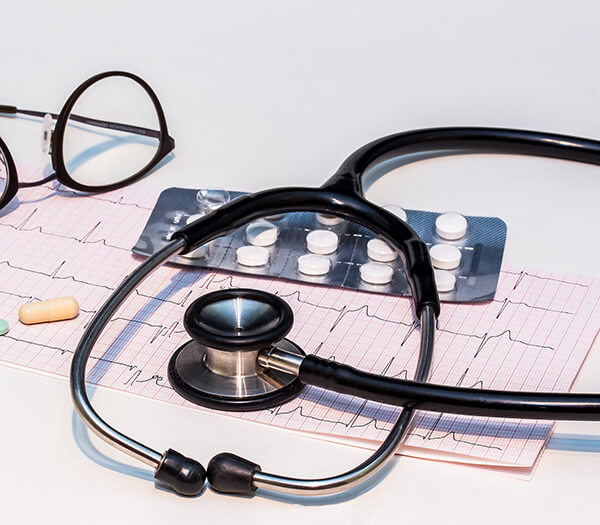
The basic functioning of the cardiovascular system includes the way the heart processes oxygen and nutrients in the blood, which is called coronary circulation. The circulation system consists of coronary arteries and coronary veins. There are a range of disorders of the cardiovascular system that are treated and studied under the field of cardiology. Among them are acute coronary syndrome, which encompasses the broad range of myocardial infarction symptoms. Angina pectoris, atherosclerosis, coronary heart disease and restenosis are other common disorders. Broader categories of disorders in the field of cardiology include cardiac arrest; disorders of the myocardium, or the muscle of the heart, which include varieties of cardiomyopathy; disorders of the pericardium, or the outer lining of the heart, which include types of pericarditis; disorders of the heart valves, including the aortic valve, the mitral valve, the pulmonary valve and the tricuspid valve; congenital heart defects, which range from atrial septal defect to ventricular septal defect; diseases of the blood vessels, or vascular diseases, which includes aneurysm, deep vein thrombosis, varicose veins, vasculitis and diseases of other blood vessels. Several devices are used in cardiology, including various types of balloons and defibrillators, a pacemaker, and a stethoscope. Artificial hearts also are used and studied in the field of cardiology.

Neurology

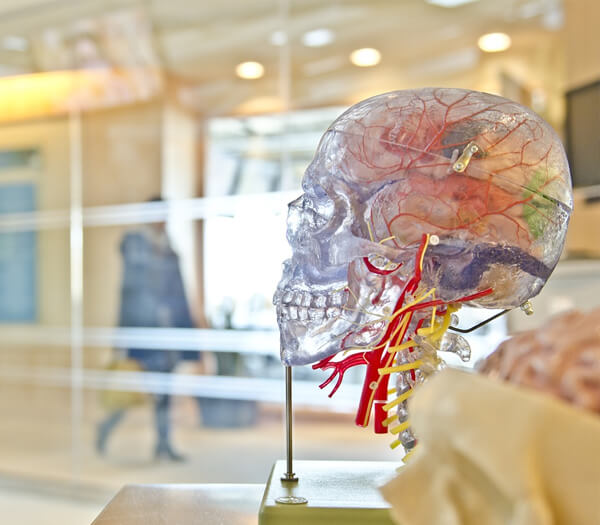
Neurology is a branch of medical science that is concerned with disorders and diseases of the nervous system. The term neurology comes from a combination of two words - "neuron" meaning nerve and "logia" meaning "the study of". There are around a hundred billion neurons in the brain, capable of generating their own impulses and of receiving and transmitting impulses from neighbouring cells. Neurology involves the study of: The central nervous system, the peripheral nervous system and the autonomic nervous system. Structural and functional disorders of the nervous system ranging from birth defects through to degenerative diseases such as Parkinson's disease and Alzheimer's disease.

Hepatology

Hepatitis affects millions of individuals globally and is associated with several poor outcomes including liver transplant and liver cancer. In particular, hepatitis B and hepatitis C are major causes of liver cancer, while alcohol abuse has been linked to conditions such as cirrhosis and other serious complications. Over two billion individuals have been infected with hepatitis B at some point and around 350 million people are persistent carriers. With widespread vaccination and blood screening, the incidence of hepatitis B has significantly decreased. However, hepatitis B and hepatitis C are accountable for up to 80% of liver cancer cases. In addition to these types of hepatitis, the primary conditions encountered by hepatologists deal include viral hepatitis and alcohol-related liver disease.

Pediatrics

Pediatrics is the branch of medicine dealing with the health and medical care of infants, children, and adolescents from birth up to the age of 18. The word “paediatrics” means “healer of children”; they are derived from two Greek words: (pais = child) and (iatros = doctor or healer). Paediatrics is a relatively new medical specialty, developing only in the mid-19th century. Abraham Jacobi (1830–1919) is known as the father of paediatrics. A paediatrician is a child's physician who provides not only medical care for children who are acutely or chronically ill but also preventive health services for healthy children. A paediatrician manages physical, mental, and emotional well-being of the children under their care at every stage of development, in both sickness and health.

Eye Care

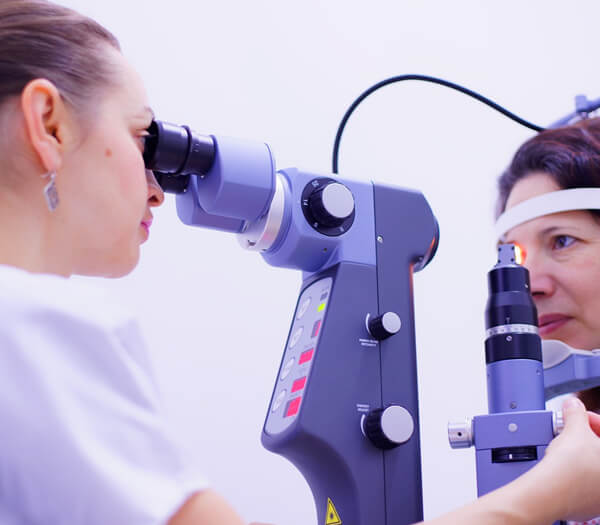
Your eyes are an important part of your health. Most people rely on their eyes to see and make sense of the world around them. But some eye diseases can lead to vision loss, so it is important to identify and treat eye diseases as early as possible. You should get your eyes checked as often as your health care provider recommends it, or if you have any new vision problems. And just as it is important to keep your body healthy, you also need to keep your eyes healthy. Eye Care Tips There are things you can do to help keep your eyes healthy and make sure you are seeing your best: Eat a healthy, balanced diet. Your diet should include plenty or fruits and vegetables, especially deep yellow and green leafy vegetables. Eating fish high in omega-3 fatty acids, such as salmon, tuna, and halibut can also help your eyes. Maintain a healthy weight. Being overweight or having obesity increases your risk of developing diabetes. Having diabetes puts you at higher risk of getting diabetic retinopathy or glaucoma. Get regular exercise. Exercise may help to prevent or control diabetes, high blood pressure, and high cholesterol. These diseases can lead to some eye or vision problems. So if you exercise regularly, you can lower your risk of getting these eye and vision problems. Wear sunglasses. Sun exposure can damage your eyes and raise your risk of cataracts and age-related macular degeneration. Protect your eyes by using sunglasses that block out 99 to 100% of both UV-A and UV-B radiation. Wear protective eye wear. To prevent eye injuries, you need eye protection when playing certain sports, working in jobs such as factory work and construction, and doing repairs or projects in your home. Avoid smoking. Smoking increases the risk of developing age-related eye diseases such as macular degeneration and cataracts and can damage the optic nerve. Know your family medical history. Some eye diseases are inherited, so it is important to find out whether anyone in your family has had them. This can help you determine if you are at higher risk of developing an eye disease. Know your other risk factors. As you get older, you are at higher risk of developing age-related eye diseases and conditions. It is important to know you risk factors because you may be able to lower your risk by changing some behaviors. If you wear contacts, take steps to prevent eye infections. Wash your hands well before you put in or take out your contact lenses. Also follow the instructions on how to properly clean them, and replace them when needed. Give your eyes a rest. If you spend a lot of time using a computer, you can forget to blink your eyes and your eyes can get tired. To reduce eyestrain, try the 20-20-20 rule: Every 20 minutes, look away about 20 feet in front of you for 20 seconds.

Doctors

Ram Basu

Chief Medical Officer

The best sergan in our hospital

Samina Akhtar

Anesthesiologist

The best Anesthesiologist in our hospital

Bijay Roy

Cardiology

The best Cardiology in our hospital

priti Biswas

Neurosurgeon

The best Neurosurgeon in our hospital

Souvik Ghosh

Ceo & Founder

“The chapter you are learning today is going to save someone’s life tomorrow. Pay attention.”

Sara Bose

Designer

“I want to experience the most beautiful adrenaline rush of my life. A rush while taking medical pledge/oath.”

Jena Sarkar

Store Owner

“Sooner or later your work speaks for itself. Outlasting critics feel like it will take a very long time, but you’re more patient than they are.”

Bablu Das

Freelancer

“I have missed more than 9000 shots in my career. I have lost almost 300 games. 26 times I have been trusted to take the game-winning shot and missed. I have failed over and over and over again in my life. And that is why I succeed.”

Manas Dalui

Entrepreneur

“The good physician treats the disease; the great physician treats the patient who has the disease.“

Contact

For know more and fpr any query you can send us messeges and we will give your enquiry's reply in very short time.

Location:

WestBengal, Central Kolkata

Call:

+91 1234567890